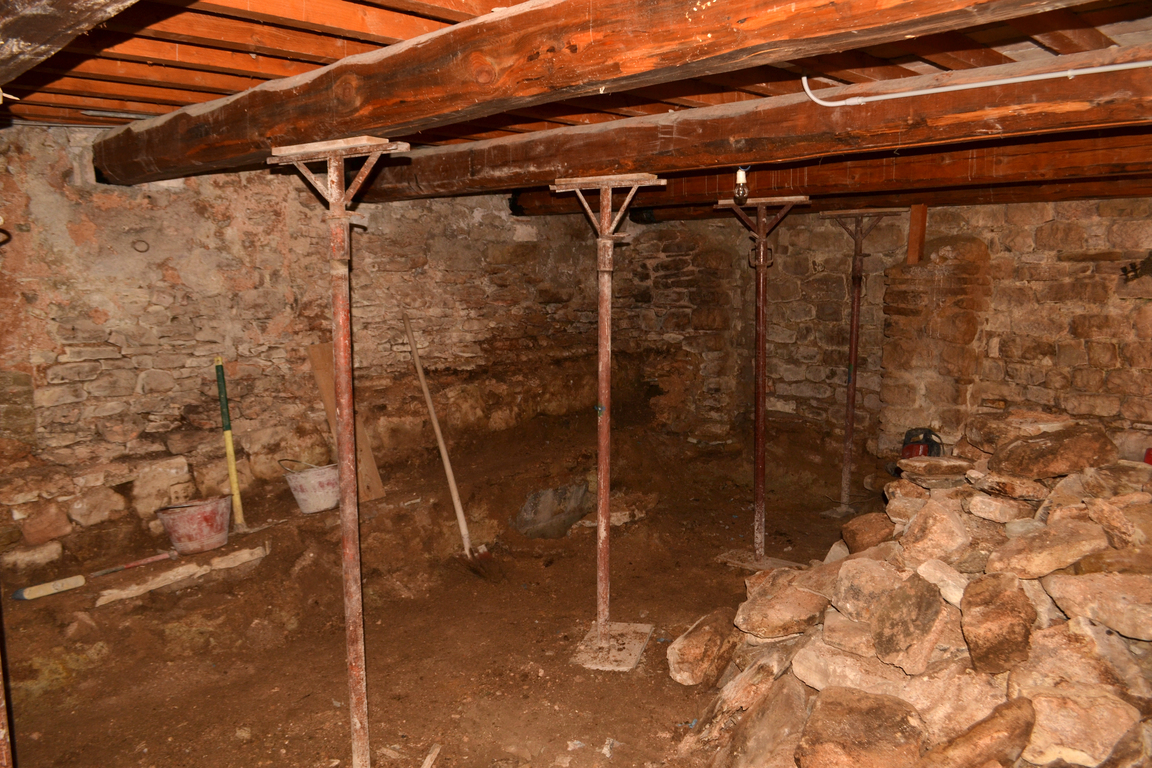
Mold: it’s a four-letter word that can cause homeowners and property managers alike to cringe. This insidious fungus, though a natural part of the environment, can become a nightmare when it infiltrates our homes, compromising air quality and posing health risks. Understanding the dynamics of mold growth, its impact, and the steps for effective management and remediation is crucial for maintaining a healthy indoor environment. This blog delves into the essentials of mold management, offering guidance on how to tackle this invisible threat head-on.
The Nature of Mold
Mold thrives in moist, warm conditions, spreading through the production of microscopic spores that can easily become airborne. Once it settles on a suitable surface—be it damp walls, ceilings, or floors—it can grow rapidly, digesting whatever material it resides on. The key to controlling mold is moisture management; without moisture, mold cannot grow.
Health Implications of Mold Exposure
The presence of mold in indoor environments can lead to various health issues, particularly for individuals with allergies, asthma, or compromised immune systems. Symptoms of mold exposure can include respiratory issues, throat irritation, nasal congestion, and in severe cases, skin irritation or more serious allergic reactions. The health risks associated with mold underscore the importance of prompt and effective remediation.
Detecting Mold in Your Home
Mold is not always visible or easily detectable. Aside from visible growth, other indicators of mold presence include a musty smell, unexplained health symptoms among household members, and recent water damage. Professional mold inspection can help uncover hidden mold and ascertain the extent of an infestation.
Professional Mold Remediation: A Step-by-Step Approach
- Assessment: The first step in addressing a mold problem is a thorough assessment by professionals to identify the mold type and affected areas.
- Containment: To prevent the spread of mold spores, the affected area is sealed off. This often involves using physical barriers and negative air pressure.
- Air Filtration: High-efficiency air purifiers are employed to capture airborne mold spores, helping to clean the air and prevent further spread.
- Mold Removal: Depending on the infestation’s severity and the surfaces involved, professionals will use various techniques to remove the mold safely.
- Cleaning and Sanitizing: After mold removal, cleaning and sanitizing the area, including furnishings and personal items, is essential to eliminate any lingering spores and toxins.
- Drying and Repair: Ensuring the area is thoroughly dried prevents future mold growth. Any necessary repairs or renovations are also carried out during this phase.
- Prevention Measures: Finally, addressing the underlying moisture issues and implementing preventive measures are key to avoiding future mold problems.
Choosing the Right Remediation Service
Selecting a qualified mold remediation service is critical. Look for certified professionals with a proven track record, who adhere to industry standards and practices. A reputable service provider will offer a comprehensive approach, from assessment and remediation to prevention advice.
Mold Prevention: Proactive Steps
Preventing mold involves controlling indoor moisture levels. Use dehumidifiers in damp areas, ensure adequate ventilation, promptly repair leaks, and dry water-damaged areas within 24-48 hours to inhibit mold growth. Regular home inspections can also help detect potential issues before they escalate.
Mold management and remediation require a multifaceted approach, combining professional intervention with proactive prevention strategies. Understanding the risks and remedies associated with mold can empower homeowners to maintain a safe and healthy living environment. While mold can be a daunting challenge, with the right knowledge and resources, it is a manageable one. Ensuring your home remains mold-free is not just about property maintenance; it’s about protecting your health and well-being.